Tesla's "All-In" Bet: Stop Making Cars and Make Robots?
Tesla announces stopping Model S and X production, factory converting to Optimus robots. Is Musk's "robot dream" coming true? Or is it a high-stakes gamble?
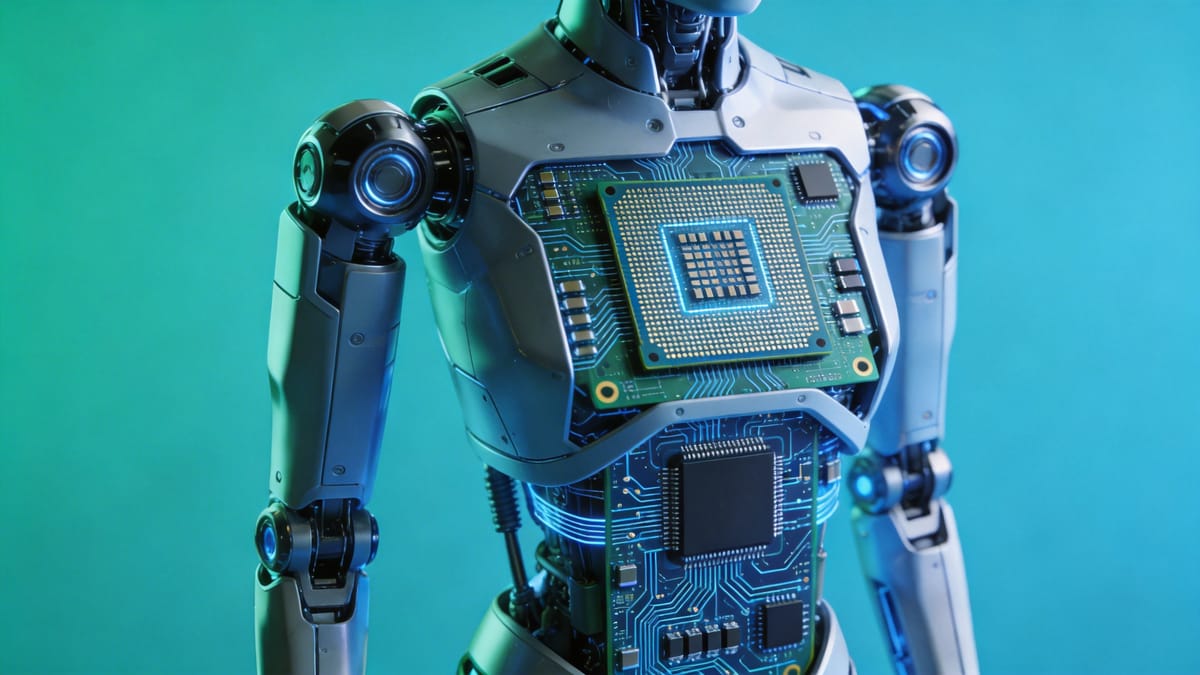
Silicon Valley — Musk is making another big move.
March 3, Tesla announced it would stop producing Model S and Model X vehicles, with some California factories converting to produce Optimus robots.
Is this a signal of Tesla's strategic transformation, or another of Musk's "high-stakes gambles"?
Stopping Car Production, Making Robots
Tesla's official statement said: "We will focus resources on the most promising areas."
What areas? Clearly, robots.
Model S and Model X are Tesla's "veterans" — though sales don't match Model 3 and Model Y, they represent Tesla's premium image. Stopping these models carries obvious signaling meaning.
"Tesla is transforming into a robot company," an industry analyst said. "This is more imaginative than selling cars."
How Is Optimus Progress?
According to latest information, Optimus robots are expected to begin mass production by late 2026, with public sales in 2027. Target price: $20,000 per unit.
Currently, Optimus is already "working" in Tesla factories — doing simple assembly tasks.
"Robots in factories mainly task is learning and iterating," Tesla engineers said. "Once they learn, they can replace humans for more complex work."
Musk's "Robot Empire"
Musk's obsession with robots goes back a long way.
As early as 2021, Tesla first announced the Optimus plan. Musk said then: "In the future, humans may need to 'implant' chips to compete with AI."
Now Musk seems to have chosen another path — letting robots replace human work, rather than modifying humans.
"Tesla robots' goal is to 'replace repetitive labor,'" an investor said. "Like moving, assembly, quality inspection."
Risks and Doubts
But this path is full of risks.
First, robot technology isn't mature yet. Boston Dynamics has been making robots for 20 years, and they're still in the "parkour" stage. Can Tesla achieve mass production in a few years?
Second, can $20,000 pricing be profitable? Analysts are generally skeptical.
"$20,000 might not even cover costs," an analyst said. "Unless shipping volume is large enough."
Third, will investors buy in? After Tesla announced strategic transformation, stock price fell initially.
Competition from Chinese Manufacturers
More realistic challenge comes from China.
"Chinese robot manufacturers can already make similar products, at half the price," a robot industry person said. "Tesla's $20,000 has no competitive edge in China market."
But Musk doesn't seem worried: "Tesla's advantage isn't price, it's technology."
Epilogue
At Tesla factory, I met a assembly line worker with 5 years tenure. He told me the factory has already deployed a dozen Optimus prototypes.
"They're still pretty clumsy," he said. "But they learn fast. In half a year, they might be different."
Perhaps this is Musk's logic: first use low-end version to capture market, then iterate quickly.
Gamble or foresight? Time will tell.
Reference: The Motley Fool, Primary Ignition, AI Invest