MIIT: Accelerate Breakthroughs in Solid-State Batteries and High-Level Autonomous Driving
MIIT clarifies five key tasks for 2026 as the first year of the "15th Five-Year Plan", including accelerating the development plan for intelligent connected new energy vehicles and breakthroughs in solid-state batteries and high-level autonomous driving.
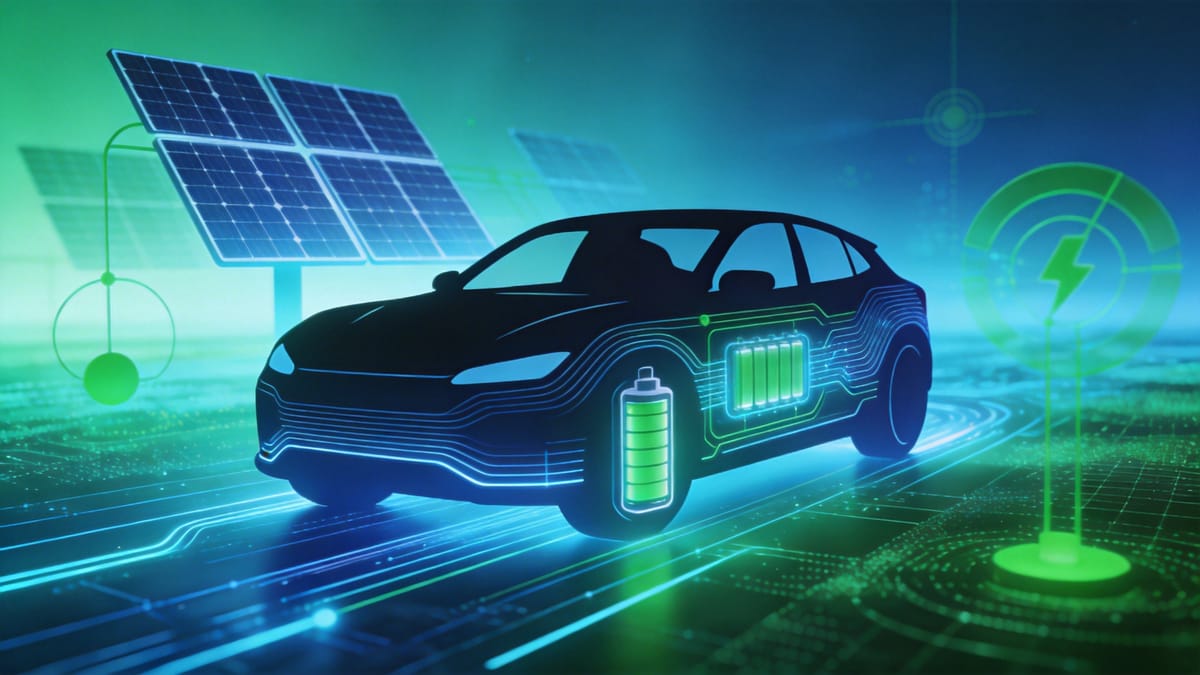
Beijing — As 2026 marks the first year of the "15th Five-Year Plan", the Energy Conservation and New Energy Vehicles Inter-ministrial Meeting has clarified five key tasks, including accelerating the development of the "15th Five-Year Plan" for intelligent connected new energy vehicle industry, breakthroughs in solid-state batteries and high-level autonomous driving technologies, and further expanding automotive consumption.
Five Key Tasks for 2026
The meeting clarified five key tasks for energy conservation and new energy vehicles in 2026:
Accelerate Planning: Speed up the compilation of the "15th Five-Year Plan" for intelligent connected new energy vehicle industry development, clarifying direction and goals for the next five years.
Breakthrough Key Technologies: Concentrate efforts to break through key technologies including solid-state batteries and high-level autonomous driving, solving bottleneck problems facing industry development.
Expand Automotive Consumption: Further expand automotive consumption, support renewal and replacement of new energy vehicles, and promote sustained development of the automotive market.
Improve Infrastructure: Accelerate the construction of charging and battery swapping infrastructure, enhancing the convenience of using new energy vehicles.
Promote Industry Collaboration: Promote coordinated development of upstream and downstream of the industrial chain, building a complete industrial ecosystem.
Solid-State Batteries: Next-Generation Battery Technology
Solid-state batteries are considered the core direction of next-generation battery technology. Compared with traditional liquid lithium batteries, solid-state batteries offer higher energy density, longer lifespan, and better safety.
Currently, major global automobile manufacturers and battery companies are racing to develop solid-state battery technology. As the world's largest new energy vehicle market, breakthroughs in the solid-state battery field hold significant strategic importance for China.
High-Level Autonomous Driving Coming Closer
High-level autonomous driving (L3 and above) is one of the core technologies of intelligent connected vehicles. As technology continuously matures, high-level autonomous driving is moving from testing to commercial application.
MIIT's clear focus on high-level autonomous driving as a key breakthrough direction indicates the autonomous driving industry will usher in a new round of development opportunities.
New Energy Vehicle Industry Sustaining High Growth
With policy support, China's new energy vehicle industry continues to maintain high growth momentum. In 2025, the scale of new energy vehicle trade-in is expected to exceed 180 billion yuan, and the sales volume benefiting from new energy vehicle purchase tax preferences increased by 22% compared to 2024.
Industry analysis suggests that with continuous breakthroughs in key technologies and improvement of infrastructure construction, the new energy vehicle industry will embrace even broader development space.
*参考来源:荣格工业资源网