BMW Group to Test Humanoid Robots in German Production for First Time
BMW Group announces it will begin testing humanoid robots at its German factory in April 2026, marking the first deployment of humanoid robots at the automaker's domestic production facility. Tests will evaluate the practical application capabilities of robots on the production line.
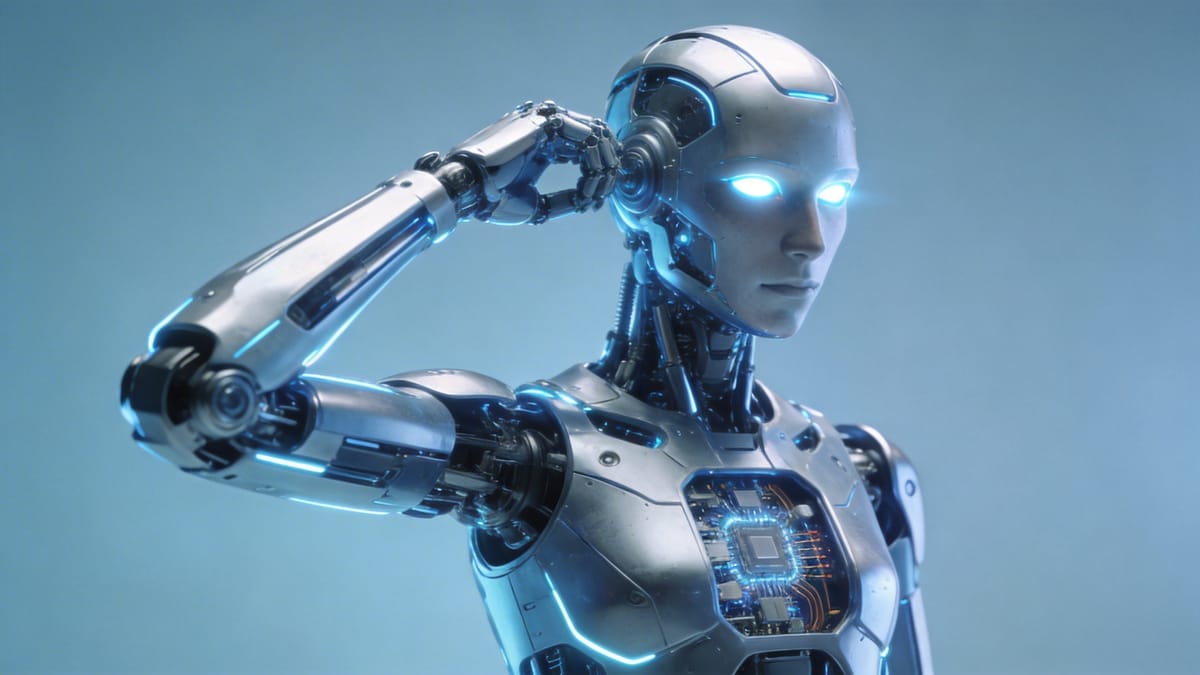
The BMW Group announced Thursday that it will begin testing humanoid robots at its German factory in April 2026, marking the first deployment of humanoid robot technology at the automaker's domestic production facility. This move represents an important step in the BMW Group's smart manufacturing strategy.
A New Chapter for Manufacturing in Germany
"We are delighted to deploy a humanoid robot for the first time in a pilot project at a plant in Germany," said Michael Ströbel, Head of Process Management and Digitalisation for Order to Delivery at BMW Group.
Based on evaluation by BMW's Center of Competence for Physical AI in Production, tests were carried out in the laboratory and at Plant Leipzig at the end of last year. A full pilot phase is expected to start in summer 2026.
Testing Scope and Goals
The tests will evaluate the practical application capabilities of humanoid robots on the automotive production line, including:
Precision assembly tasks, material handling, quality inspection, and autonomous navigation in complex environments. The BMW Group aims to further enhance production line flexibility and efficiency with humanoid robot technology.
Unlike traditional industrial robots, humanoid robots possess bipedal locomotion capabilities, enabling flexible movement in human work environments and execution of diverse tasks. This makes them particularly suitable for human-robot collaboration on existing automotive assembly lines.
Industry Trend: Automakers Race to Deploy Robot Technology
BMW's initiative reflects the automotive industry's accelerating布局类人机器人技术.
Just last month, Mercedes-Benz announced plans to test humanoid robots at its Sindelfingen plant in Germany. Hyundai Motor Group has invested in Boston Dynamics, exploring robot applications in automotive manufacturing.
Analysts suggest that as humanoid robot technology matures and costs decline, automakers view it as a key factor in enhancing competitiveness. Humanoid robots can address labor shortages and replace humans in dangerous or highly repetitive tasks.
Technical Challenges and Prospects
Despite significant progress in humanoid robot technology, large-scale deployment in industrial environments still faces challenges.
First, there's the issue of technical reliability. Humanoid robots need to maintain stable performance during extended operation, which places extremely high demands on both hardware and software.
Second, cost remains a challenge. Currently, manufacturing costs for humanoid robots remain relatively high, and large-scale deployment requires substantial cost reductions.
Third, human-robot collaboration safety is critical. Ensuring robots don't pose hazards to humans working in close proximity is essential.
Looking Ahead
The BMW Group states that if the pilot project succeeds, it will consider deploying humanoid robots at more factories. The company plans to achieve comprehensive production line digitalization and intelligentization by 2030.
"Humanoid robots are not meant to replace human workers, but to become their assistants," Ströbel added. "They can take on tasks that are repetitive or dangerous for humans, allowing us to focus on more creative work."
Reference Sources: Robotics and Automation News, BMW Group