Samsung SDI to Unveil All-Solid-State Battery Samples for Physical AI Robot Market
Samsung SDI announced it will showcase all-solid-state battery samples for Physical AI applications at InterBattery 2026, with the theme "AI thinks, Battery enables". The batteries target robotics and autonomous driving markets.
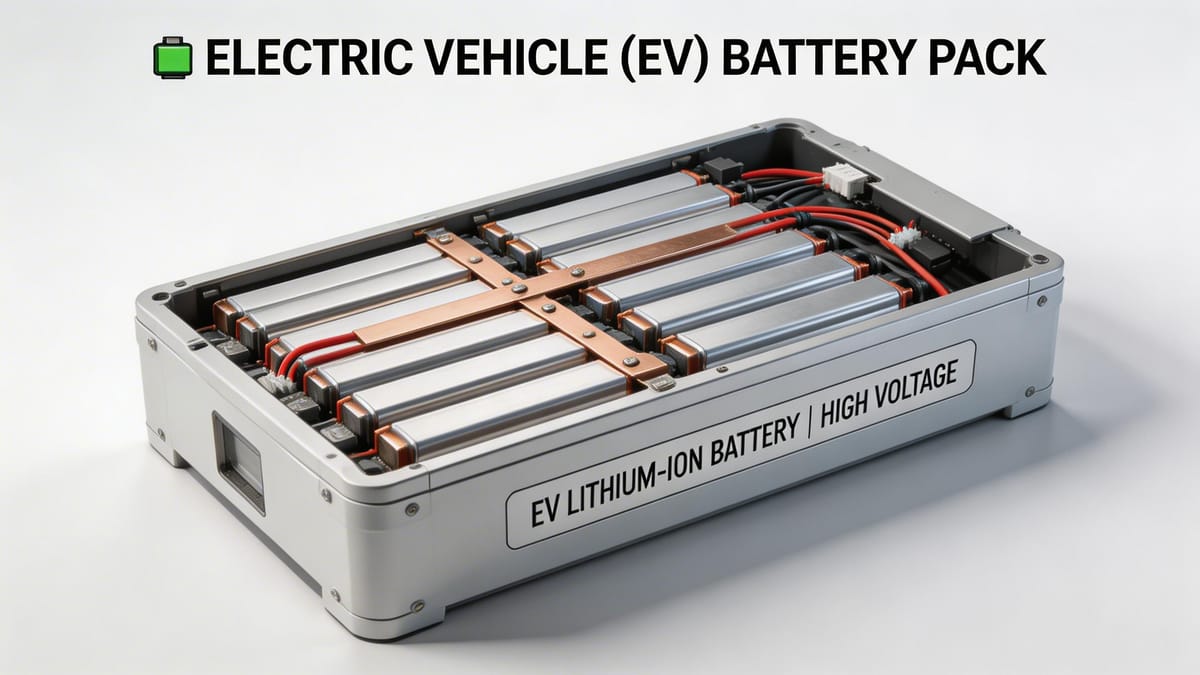
Samsung SDI announced on March 9, 2026, that it will showcase samples of its in-development all-solid-state batteries at InterBattery 2026, set to open on March 11 at COEX in Seoul. These samples are specifically designed for Physical AI applications, including robotics and autonomous driving.
"AI Thinks, Battery Enables"
The theme for Samsung SDI's presence at the exhibition is "AI thinks, Battery enables" — a clear indication of the company's strategic positioning for the AI era. It's not just about providing power, but about being a key enabler for AI applications in the physical world.
At the exhibition, Samsung SDI will display its latest pouch-type all-solid-state battery samples. Compared to traditional liquid lithium-ion batteries, solid-state batteries offer higher energy density, longer lifespan, and improved safety. These characteristics are crucial for robotic applications that require long runtime and high power output.
Physical AI: The Next Trillion-Dollar Market
Physical AI refers to AI systems that can interact with the physical world, including humanoid robots, industrial robotic arms, and autonomous vehicles. Unlike traditional pure-software AI, Physical AI requires robust hardware support, particularly high-performance batteries.
Industry analysts believe Physical AI will become the next trillion-dollar market after large language models. Companies like Tesla Optimus, Figure AI, and 1X Technologies are racing to develop humanoid robots, and these robots have extremely demanding battery requirements: lightweight yet sufficient endurance, while ensuring safety.
Samsung SDI's all-solid-state battery technology恰好 meets these needs. By replacing liquid electrolyte with solid electrolyte, it not only significantly improves energy density but also eliminates fire risk — particularly important for service robots that work in close proximity to humans.
AI Battery Intelligence: A New Safety Standard
Beyond hardware innovation, Samsung SDI will also unveil Samsung Battery Intelligence (SBI) at the exhibition — an AI-based fire prevention software. This represents a typical example of applying AI technology to battery safety, embodying Samsung SDI's "AI + Battery" dual-drive strategy.
SBI can monitor battery status in real-time, predict potential safety risks, and issue alerts before problems occur. The software will be integrated into Samsung SDI's ESS (Energy Storage System) solutions, providing enhanced performance and safety guarantees.
Shifting Competitive Landscape
Samsung SDI's series of moves indicates it's transitioning from a traditional consumer electronics battery supplier to a comprehensive energy solutions provider for the AI era. This transformation aligns with the strategic directions of competitors like Tesla and CATL.
Industry insiders point out that battery technology will become a key variable in Physical AI competition. "Whoever masters better battery technology may gain the upper hand in the robot wars," said an unnamed analyst. "Samsung SDI clearly recognizes this and is positioning itself ahead of the curve."
For the broader AI supply chain, Samsung SDI's solid-state battery breakthrough suggests the commercialization of Physical AI may accelerate further. When battery life no longer serves as a bottleneck, the adoption of robots and autonomous vehicles could exceed expectations.
Reference: Korea Times, MarketScreener