Chinese Researchers Unveil Semi-Solid-State EV Battery: 620-Mile Range Breakthrough
Chinese researchers have unveiled a breakthrough semi-solid-state electric vehicle battery technology with a range of 620 miles (1,000 km) per charge. The technology targets energy density over 340 Wh/kg, potentially pushing EV ranges past 1,000 miles.
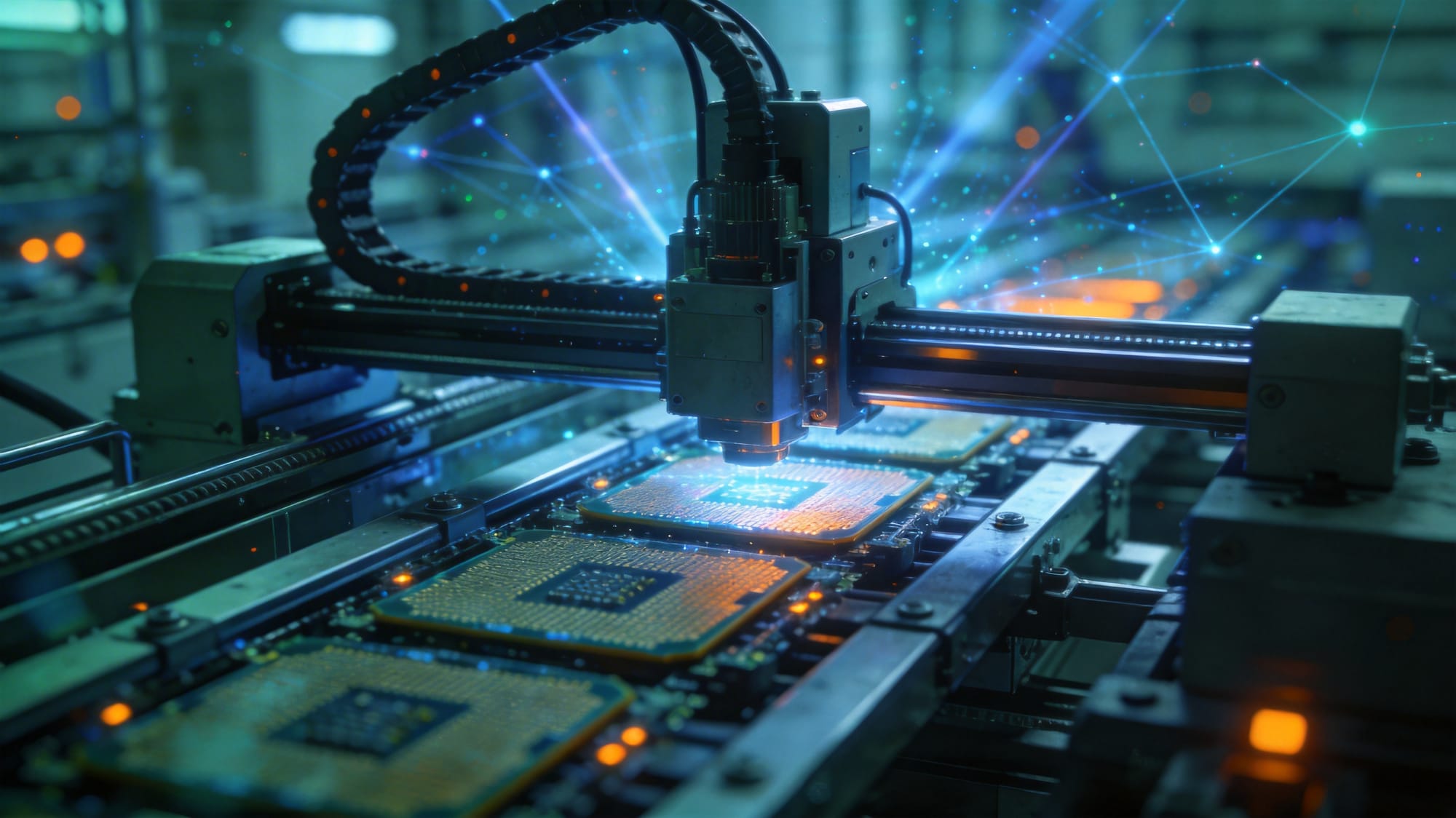
On March 11, 2026, Chinese researchers unveiled a breakthrough semi-solid-state electric vehicle battery technology with a range of 620 miles (approximately 1,000 km) per single charge. This technological breakthrough is expected to fundamentally change the EV range landscape.
1,000 km Range Within Reach
According to data released by researchers, this semi-solid-state battery technology targets energy density exceeding 340 Wh/kg at the pack level, while supporting up to 200 kWh total capacity. If verified, this could push electric vehicle ranges past 1,000 miles (1,600 km).
Currently, mainstream electric vehicles typically have ranges of 300-500 km, with some premium models reaching around 600 km. A 620-mile (1,000 km) range would completely solve users' "range anxiety."
Advantages of Semi-Solid-State Batteries
Compared to traditional liquid lithium batteries, semi-solid-state batteries offer several advantages:
Higher Safety: Solid or semi-solid electrolytes are non-flammable, reducing fire risks
Higher Energy Density: Can store more energy in the same volume
Longer Lifespan: Significantly improved cycle life
Faster Charging: Supports higher-power fast charging technology
Higher Safety: Solid or semi-solid electrolytes are non-flammable, reducing fire risks
Higher Energy Density: Can store more energy in the same volume
Longer Lifespan: Significantly improved cycle life
Faster Charging: Supports higher-power fast charging technology
Mass Production Prospects
This technology is still in the R&D phase, but researchers indicate commercial mass production will be achieved within the next few years. With the rapid development of new energy vehicles, battery technology breakthroughs will drive new growth momentum for the entire industry.
Reference: Ekhbary, The Korea Times