Neuromorphic Computing Breakthrough: Can Solve Complex Physics Simulation Equations
Scientists discover neuromorphic computers modeled after the human brain can now solve complex equations behind physics simulations—something once thought possible only with energy-hungry supercomputers.
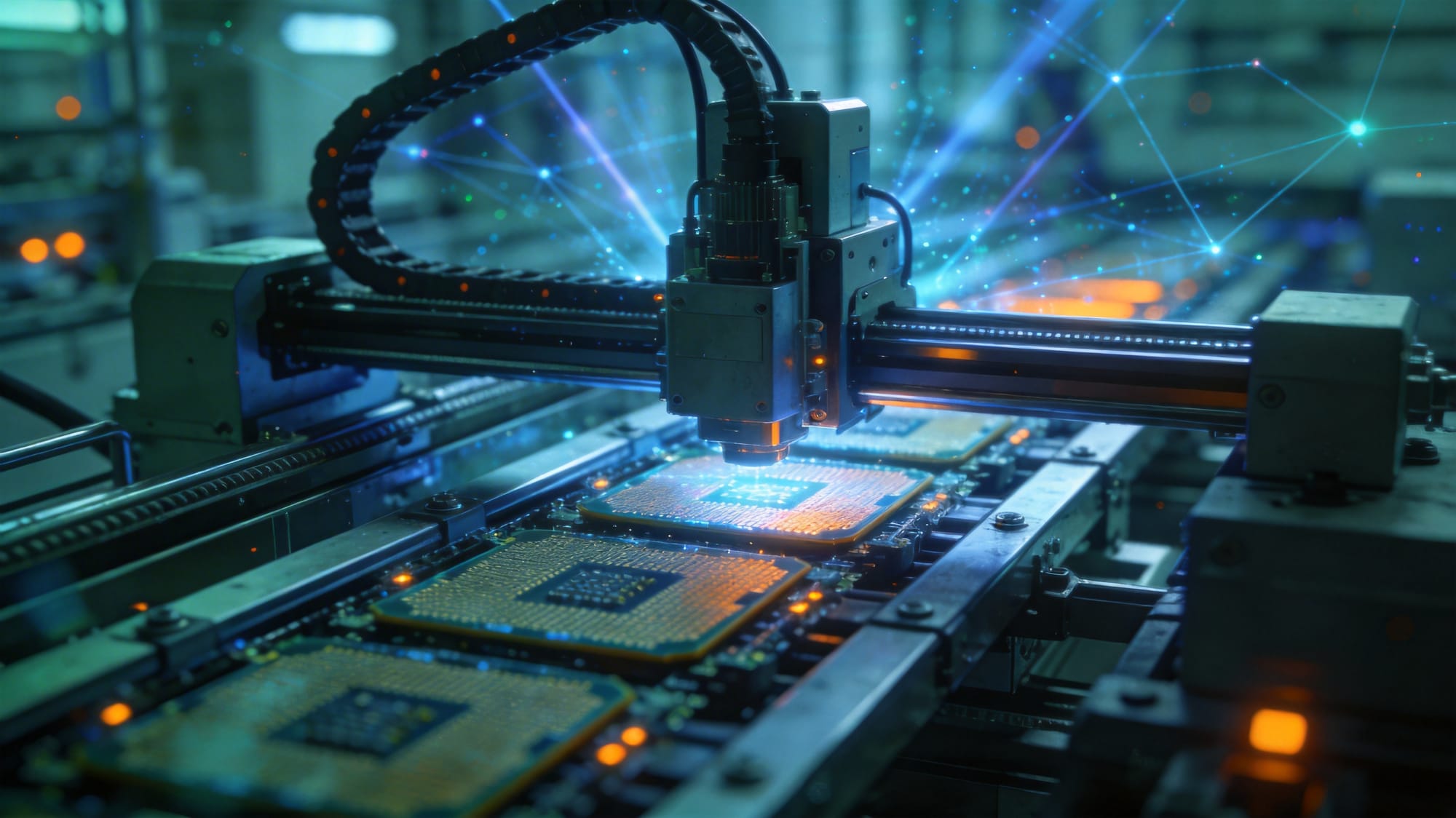
In March 2026, a major scientific breakthrough was achieved. Neuromorphic computers—computers modeled after the human brain—can now solve the complex equations behind physics simulations, something once thought possible only with energy-hungry supercomputers.
What is Neuromorphic Computing?
Neuromorphic computing is a computing paradigm that mimics the structure and working of the human brain. Unlike traditional computers, neuromorphic chips use electronic components similar to neurons and synapses, enabling more energy-efficient processing of complex information.
Breakthrough Progress
This breakthrough means:
Lower energy consumption: Neuromorphic computers are much more energy-efficient than traditional supercomputers
Wider applications: Can be deployed in more scenarios to solve real-time physics problems
Fusion of AI and science: Opens new avenues for AI applications in scientific research
Lower energy consumption: Neuromorphic computers are much more energy-efficient than traditional supercomputers
Wider applications: Can be deployed in more scenarios to solve real-time physics problems
Fusion of AI and science: Opens new avenues for AI applications in scientific research
Application Prospects
Neuromorphic computing has huge potential in:
Climate simulation
Material science
Astrophysics
Real-time engineering simulation
Climate simulation
Material science
Astrophysics
Real-time engineering simulation
Reference: ScienceDaily