SMIC: Mature-Node and BCD Chip Supply Tightens as AI Demand Drives Price Increases
China's largest contract chipmaker SMIC reports full capacity utilization for mature-node memory and BCD process chips. AI demand is tightening supply across the semiconductor industry.
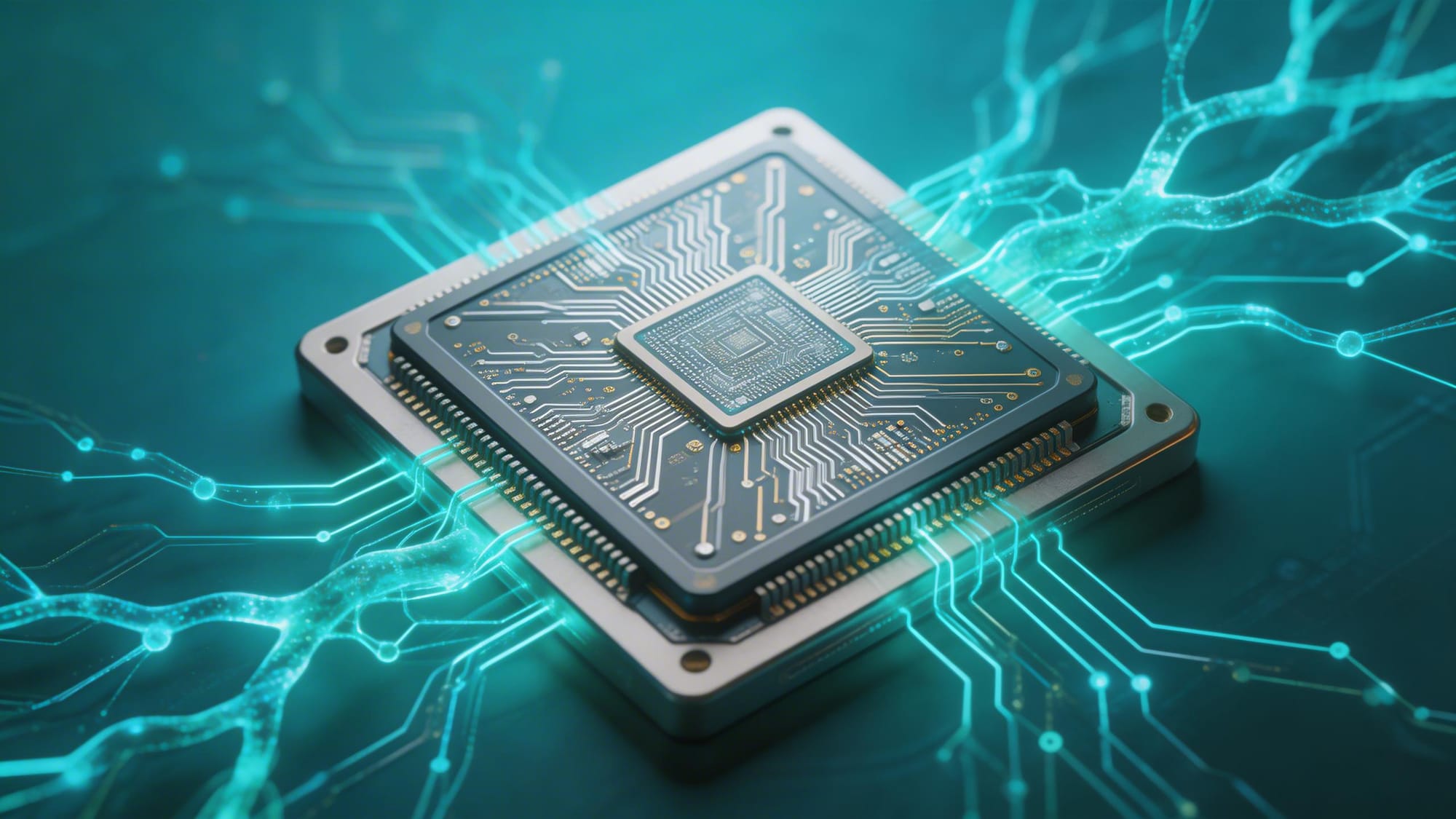
China's largest contract chipmaker, SMIC (Semiconductor Manufacturing International Corporation), reports that orders for mature-node memory and BCD (Bipolar-CMOS-DMOS) process chips are running at full capacity utilization. As AI demand continues to tighten, price increases are spreading across the semiconductor industry.
Full Capacity Utilization
As China's largest wafer fab, SMIC's mature-node and BCD chip orders are currently in undersupply. This phenomenon reflects the strong demand driven by the global semiconductor market, particularly in AI applications.
Mature-node chips typically refer to 28nm and above process technology. While not as attention-grabbing as advanced processes (below 14nm), they are widely used in automotive electronics, consumer electronics, and industrial control. BCD process is a technology that integrates bipolar, CMOS, and DMOS on the same chip, widely used in power management chips.
AI Demand Drives Price Increases
The rapid development of the AI industry is profoundly changing the semiconductor landscape. With surging demand for high-performance computing chips in data centers and the proliferation of edge AI devices, supply for mature-node chips is becoming increasingly tight.
SMIC states that chip prices are rising due to strong demand. This trend is expected to continue for some time until new capacity comes online.
Market Impact
Tight supply of mature-node chips affects multiple industries: - Automotive: Automotive chip supply may tighten further - Consumer Electronics: Costs for smartphones and IoT devices may rise - Industrial Control: Chip procurement costs for industrial automation equipment increase
Analysts believe that the supply-demand imbalance for mature-node chips may persist for some time as AI applications continue to proliferate.
Reference Sources: Digitimes